
What Is A Covenant In The Bible?
A clear understanding of covenant is essential for fully appreciating the promises God has made to us.
What is a covenant? A covenant is a formal agreement between two or more parties, confirmed by an oath before a higher authority. That authority holds each party accountable to its obligations and ensures the covenant’s benefits are upheld.
What Is A Blood Covenant
A covenant binds the parties in a way that discourages the stronger from exploiting the weaker without consequence.
A blood covenant represents a deeper dimension of covenant relationship. It involves the shedding of blood, symbolizing the life of those entering into the covenant: “For the life of the flesh is in the blood…” Leviticus 17:11. Scripture therefore often speaks of “cutting” a covenant—the flesh is cut so that blood may flow—signifying the intermingling of the lives of the parties involved. One example is the covenant between God and Abraham (Genesis 15:7–18).
Why Blood Represents Life in Biblical Covenant
Covenants may also include the use and exchange of tokens—tangible representations of covenant commitment. For example, an animal served as a representative sacrifice in God’s covenant with Abraham and with Israel.
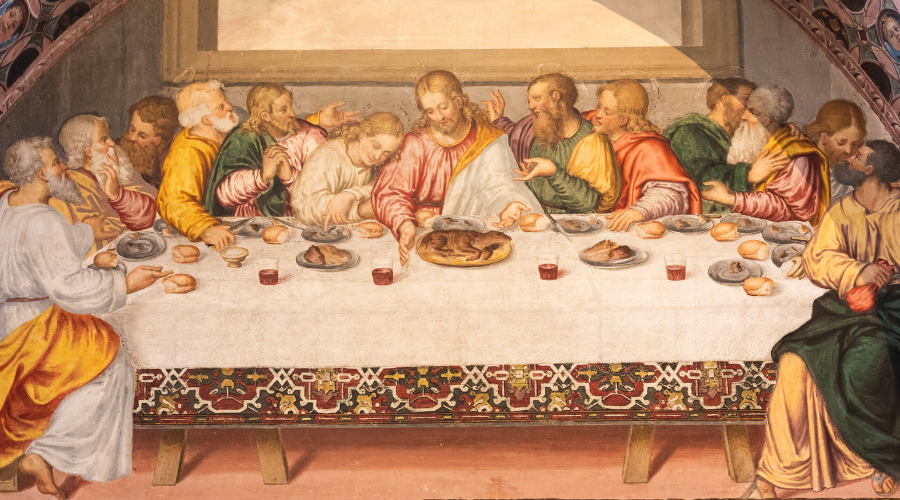
In the New Covenant, the bread and the cup (wine) represent the blood of the New Covenant in Christ (Luke 22:19–20). Likewise, a wedding ring serves as a token of the marriage covenant.
The purposes of the covenant include the following:
Protection as seen in alliances and treaties between nations.
Love and devotion as seen in marriage.
Partnership as seen in business relationships.
“For the Lord will pass through to smite the Egyptians; and when He sees the blood upon the lintel, and on the two side posts, the Lord will pass over the door and will not suffer the destroyer to come in unto your houses to smite you” (Exodus 12:23).
Why Understanding Covenant Is Important for Believers Today

This blood covenant remains applicable today. When we invite Jesus into our hearts, we come under that covenant—the promise sealed by the blood Jesus shed for our sins, healing, and deliverance.
Results in diet and exercise typically come through rules, routines, and discipline. The results of Holy Communion flow from relationship, revelation, and an understanding of Christ’s redemptive work.
“He took bread; and when He had given thanks, He broke it and said, ‘Take, eat; this is My body which is broken for you; do this in remembrance of Me.’ In the same manner, He also took the cup after supper, saying, ‘This cup is the New Covenant in My blood. This do as often as you drink it, in remembrance of Me’” I Corinthians 11:23–25.
Biblical Remembrance as Reenactment
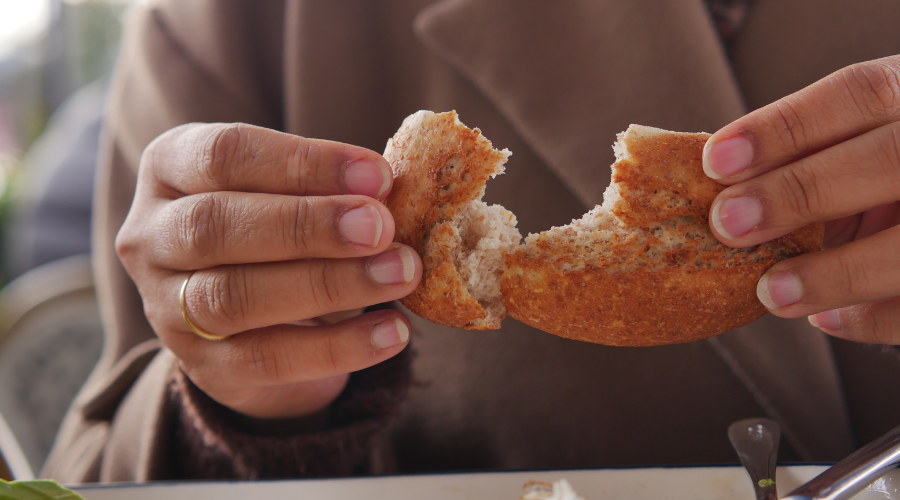
Communion is about His love—His power to heal and to deliver you from every sickness and disease. This is why the apostle Paul writes in the verses above that the Lord Jesus calls us to partake of Holy Communion in remembrance of Him.
In Jewish thought the word remembrance carries more weight than a passive or sentimental recollection. It conveys the idea of reenactment—entering into the event again.
It is about reenacting all that Jesus endured—seeing His body broken as you break the bread in your hands and seeing His blood shed for you as you drink from the cup. It is an active valuing of the cross and a renewed awareness of its power for you today, as you remember that the King of kings suffered for you.
Focusing on Jesus
Notice that the Lord Jesus instructs us to partake of Holy Communion in remembrance of Him, not in remembrance of our medical conditions. There was a time when many of the children of Israel were dying from snakebites in the wilderness. When Moses prayed that the Lord would take the serpents away, He responded, “Make a fiery serpent, and set it on a pole; and it shall be that everyone who is bitten, when he looks at it, shall live” Numbers 21:8.
God did not remove the serpents. Instead, He instructed Moses to make a replica of the very thing that was killing them—the serpent—and to set it on a pole for all to look upon.
The Bronze Serpent and the Covenant Explained

“So, Moses made a bronze serpent, and put it on a pole; and so it was, if a serpent had bitten anyone, when he looked at the bronze serpent, he lived” Numbers 21:9.
The serpent on the pole is a picture of the Lord Jesus being lifted on the cross suspended between heaven and earth, rejected by man, and forsaken by His Father as He carried our sins. On that cross, He bore every consequence and every curse of sin that you and I should have experienced, including every sickness and every disease.
Whatever your condition today, come to the Lord’s Table. Behold Him and His love and receive the healing He offers.