
Mental Health: How Human Connection Can Save Lives
Sometimes, one moment of genuine human connection can change the direction of someone's life.
On August 31, 2011, David Woods Bartley stood on a bridge, intending to end his life. What happened next would become the turning point in a journey that continues to inspire people around the world. A police officer made a connection with David that helped save his life, opening the door to something he had struggled to see: hope.
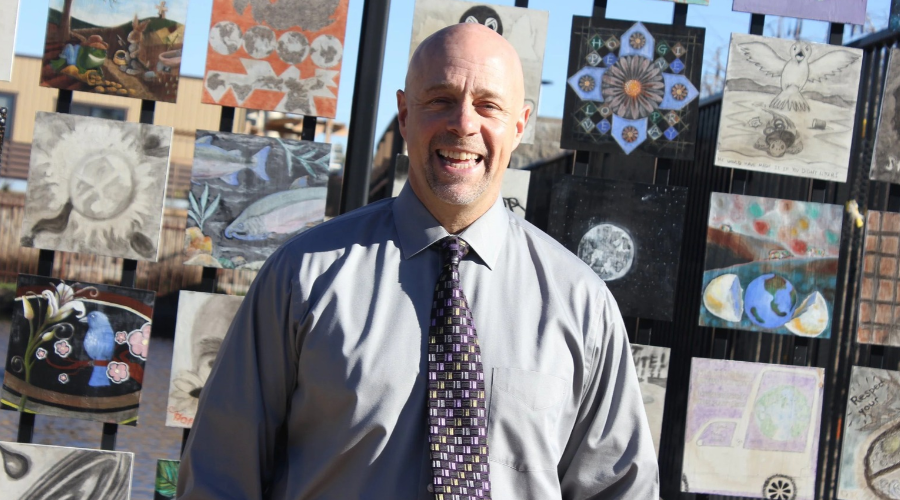
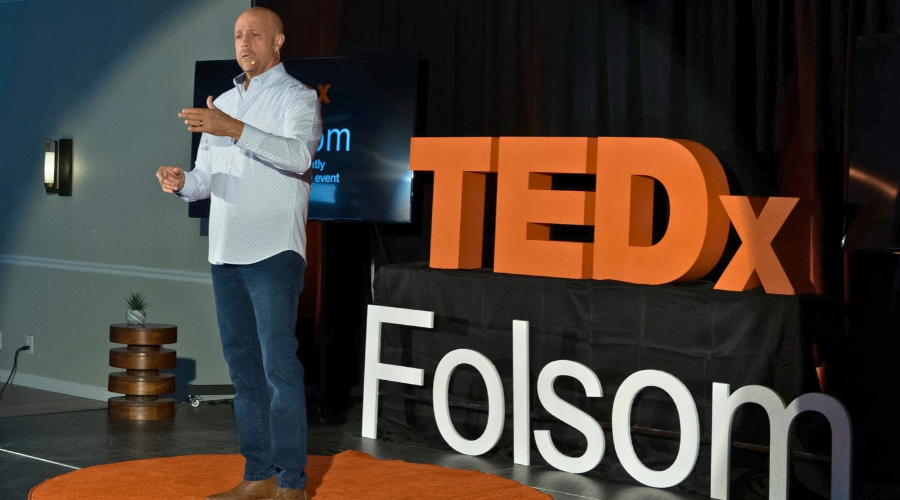
Today, David is an award-winning mental health advocate, three-time TEDx speaker, and suicide attempt survivor. Through his personal story, he helps individuals and organizations understand the importance of mental health, human connection, and creating spaces where people feel seen, heard, and valued.
Why Human Connection Matters for Mental Health
Mental health struggles can be incredibly isolating. People may be surrounded by family, friends, and colleagues yet feel completely alone in what they are experiencing.
David's story illustrates how meaningful human connection can interrupt that isolation.
The police officer who encountered David on the bridge did more than respond to a crisis. He connected with another human being at a moment when that connection mattered enormously. That interaction helped create an opportunity for David to choose a different path.
Human connection does not replace professional mental health support, but it can be an essential part of creating an environment where people feel safe enough to seek help.
In this interview, David shares his 14-year-and-counting journey from what he calls mental "hellness" into mental wellness, offering a powerful reminder that even in our darkest moments, a different future may still be possible.
Breaking the Stigma Around Mental Health
Despite growing awareness, mental health remains difficult for many people to discuss openly.
Fear of judgment, misunderstanding, or being perceived differently can prevent individuals from sharing what they are going through. In workplaces, healthcare environments, families, and communities, these barriers can make it harder for people to ask for support.
David works to change that.
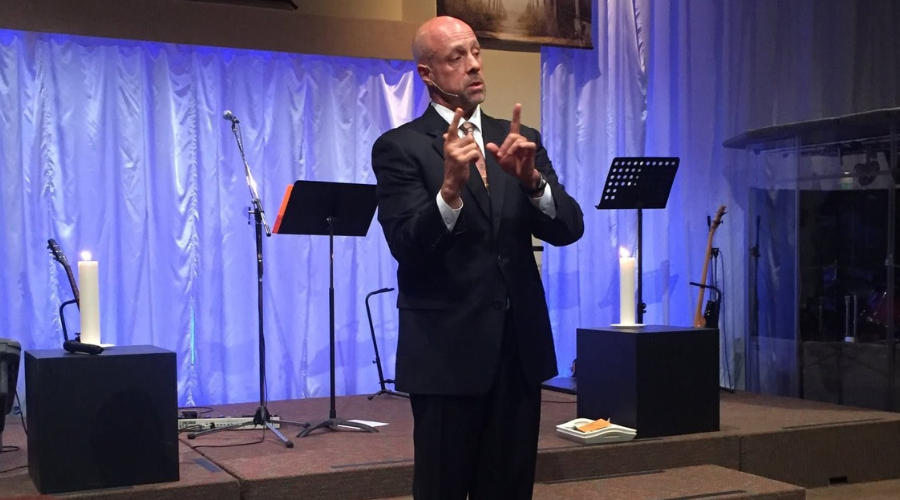
Having delivered more than 1,000 presentations across four continents, he has spoken to audiences including the U.S. military, NATO, NASA, major healthcare systems, corporate organizations, and academic institutions.
His presentations explore the relationship between mental health, trauma, leadership, communication, and human connection.
By sharing his lived experience, David encourages audiences to reconsider how they respond to people who are struggling. Instead of making assumptions, dismissing difficult emotions, or avoiding uncomfortable conversations, he advocates for greater empathy and a willingness to listen.
Breaking the stigma around mental health begins when we make it easier for people to speak honestly about what they are experiencing.
David Woods Bartley: Bringing Hope to Audiences Around the World
David's impact extends far beyond sharing his personal story.
As a globally recognized mental health advocate, speaker, and Steinberg Institute mental health champion, he has reached more than 1,000 audiences through presentations on suicide prevention, trauma, leadership, resilience, and human connection.
He was also recognized as the 2025 Speaker of the Year.
His speaking engagements are built around authentic storytelling and the belief that honest conversations can change how individuals and organizations approach mental health.
Through his work, David helps audiences understand that mental wellness is not simply an individual responsibility. It is also shaped by the relationships, environments, and cultures we create together.
His message is relevant to leaders, healthcare professionals, educators, military personnel, organizations, and anyone who wants to make a meaningful difference in the lives of others.
Connection Creates Hope, and Hope Saves Lives
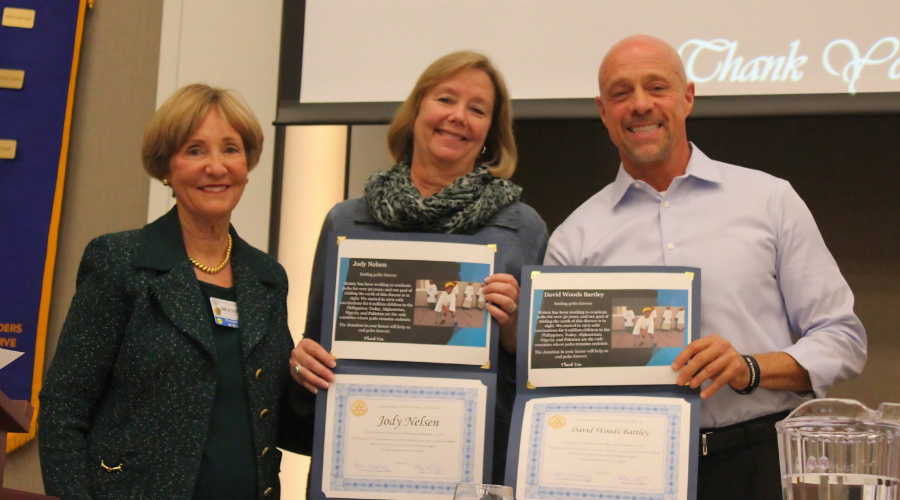
David Woods Bartley's story is a reminder that a person's darkest moment does not have to be the final chapter of their life.
What began as a moment of crisis on August 31, 2011, became a journey of survival, healing, advocacy, and purpose. Today, David uses his voice to encourage others to have the conversations that can make a difference.
His story also leaves us with an important question: How often do we take the time to truly connect with the people around us?
We cannot always see when someone is struggling. We cannot always know what to say. But we can listen, show compassion, and help create an environment where asking for help is not something to be ashamed of.
Because sometimes, the most meaningful thing we can offer another person is the reminder that they are not alone.
Connection creates hope. And hope saves lives.

